






BBC - 1/16/2026 4:09:43 PM - GMT (+3 )
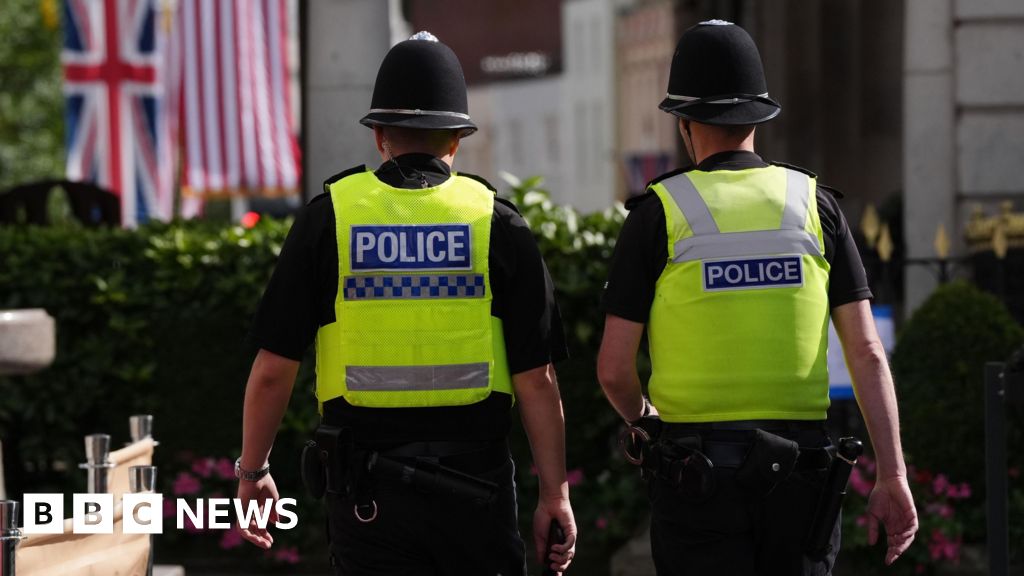
The Home Office is planning to scrap a police grant that provides funding to forces if they meet officer headcount targets.
Home Secretary Shabana Mahmood is writing to police chiefs in England and Wales to inform them the Officer Maintenance Grant is being axed and replaced with ringfenced funding for neighbourhood officers instead.
The grant was introduced by Boris Johnson's government in 2019 to deliver the Conservative Party's manifesto pledge to recruit an extra 20,000 police officers by 2023.
The target was reached, but the Labour government says the grant has led to too many officers working in back-office roles, rather than frontline policing in communities.
But there was a decrease in overall officer numbers between March 2024 and March 2025, the first year-on-year decline since 2018.
And last year, police leaders warned they would struggle to fulfil the Labour government's election promise to recruit an additional 13,000 officers by 2029.
Last October, shadow home secretary Chris Philp said the Conservatives had "delivered record ever police numbers in March 2024", when they were in office.
"It is staggering Labour has now presided over a fall of 1,313 police officers already," he said.
"Labour has let down policing and has let down the public."
The government says there has been an increase in the number of trained police officers in desk-based support roles, including HR and IT support, since the grant was introduced.
A government source said the Conservatives had "devastated neighbourhood policing across the country with a decade of austerity".
"They then tried to desperately recruit more officers to make up their targets – but forces ended up with more officers behind desks doing HR and admin," the source added.
The BBC has asked the Conservatives for comment.
In her letters to police chiefs, Mahmood will say a record £18.4bn of investment will be put into police forces across the country.
Police officers declined every year between 2010 and 2018, a period when the Conservatives were in government.
Johnson's government then changed course after its 2019 manifesto commitment and managed to recruit an extra 20,000 officers by 2023 under a police uplift programme, now known as the Officer Maintenance Grant.
Prime Minister Sir Keir Starmer announced plans to embed more police officers within neighbourhoods last spring.
The government's Neighbourhood Policing Guarantee aims to put 13,000 more officers into neighbourhood policing roles by 2029. The plan involves establishing named local officers, targeting town centre crime and building up the presence of police in local areas.
The government has said an additional 3,000 neighbourhood officers will be in roles by the end of March this year.
The Police Federation of England and Wales, a staff association for officers, said the lack of funding in line with inflation was a problem.
"The reality is multi-million-pound budget cuts across forces are being made, with some having to making difficult choices about what units to keep and what areas of work must be cut, which includes job losses," said Brian Booth, the acting deputy national chair, in response to the government's plans.
"This, coupled with the fact police officers are leaving in their droves, does not bode well when it comes to achieving a target of 13,000 more officers in neighbourhood policing roles by 2029, in a way that is fair and not a postcode lottery."
In the current financial year, the Home Office has made £270m of ringfenced funding available to police forces that can demonstrate they have maintained their officer numbers.
Forces must show they have met those targets to access the full amount allocated to them.
But the government says it will replace this system with a neighbourhood policing ringfenced grant to move more desk-based officers out into communities.
Chief Constable Gavin Stephens, chair of the National Police Chiefs' Council (NPCC), welcomed the move but said forces needed staffing flexibility.
He said: "The absolute focus on police officer numbers has prevented policing from recruiting the specialist skills it needs to tackle crime effectively in the modern world.
"Warranted officers on the frontline are vital. But forensics analysts, cyber specialists and digital experts are equally important at a time where around 90 per cent of crime has an online element."
read more